

Description
Research Mechanism: Angiogenesis & NO Pathway
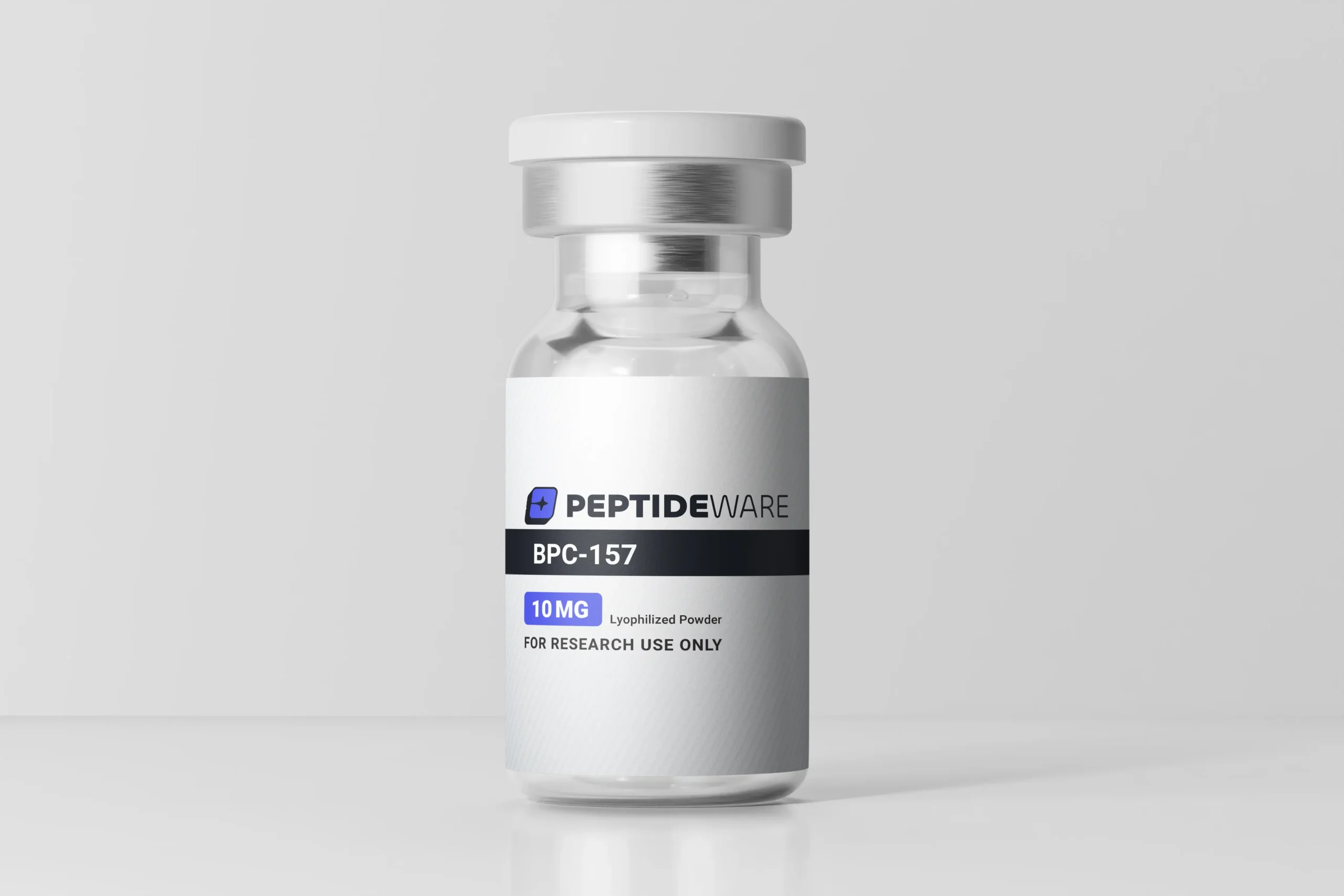
BPC-157 is extensively studied for its interaction with the Nitric Oxide (NO) system, a critical regulator of vascular health and tissue perfusion.
-
VEGF Upregulation: In vitro observations suggest BPC-157 may modulate the Vascular Endothelial Growth Factor (VEGF) pathway, specifically interacting with VEGFR2 receptors. This interaction is hypothesized to promote angiogenesis—the physiological process through which new blood vessels form from pre-existing vessels.
-
NO Signaling: Research indicates the peptide may influence the Akt-eNOS pathway, potentially leading to increased nitric oxide bioavailability in endothelial cells. In animal models, this mechanism has been correlated with improved microcirculation and the accelerated re-establishment of blood flow in ischemic tissues.
-
Fibroblast Recruitment: Further studies investigate BPC-157’s potential to recruit fibroblasts to sites of injury, a key step in extracellular matrix (ECM) organization during the initial phases of tissue repair.
Synergistic Research: The GLOW Stack
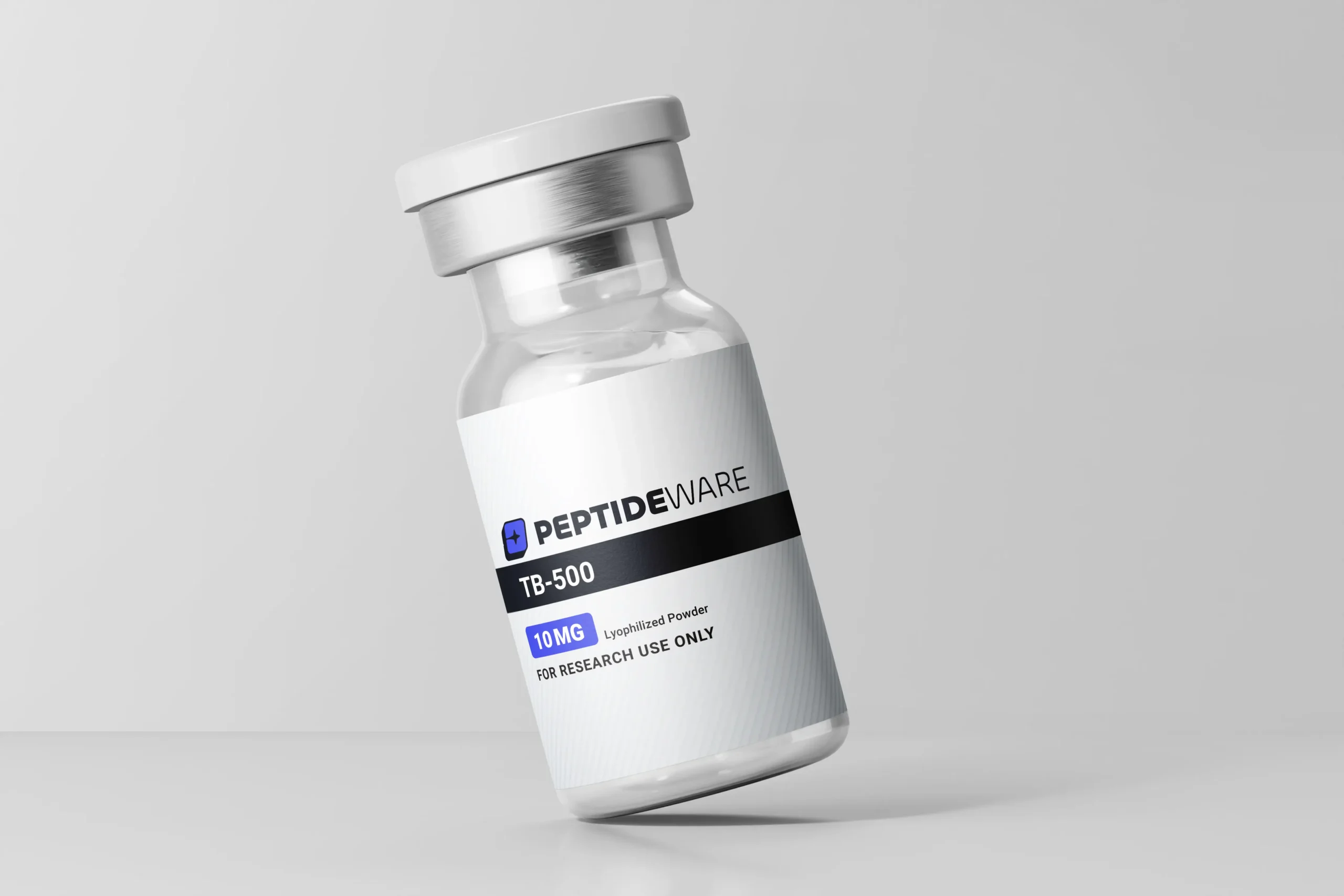
For comprehensive tissue repair models, BPC-157 is frequently researched alongside TB-500 (Thymosin Beta-4). This pairing is central to our GLOW Peptide Stack due to their complementary mechanisms of action:
-
BPC-157 is studied for its influence on Angiogenesis (building the vascular supply line).
-
TB-500 is investigated for its role in Actin Sequestration and cell migration (moving repair cells to the injury site).
-
Hypothesis: Co-administration is theorized to create a “synergistic loop,” where enhanced blood flow supports the metabolic demands of migrating cells during tissue remodeling.
This research peptide undergoes rigorous quality control and stability testing to ensure maximum integrity for scientific applications. Each batch is manufactured under strict laboratory conditions and verified through independent laboratory analysis.
⚠️ FOR RESEARCH PURPOSES ONLY
This product is strictly for in-vitro laboratory research, analysis, and development. It is not intended for human consumption, injection, or therapeutic use. BPC-157 is not a drug, dietary supplement, or food. All statements regarding the physiological mechanisms of BPC-157 are based on preclinical animal and cell-culture studies and are provided for educational and informational purposes only.
Storage & Handling
Peptides require careful storage to maintain their integrity and research effectiveness. Lyophilized peptides should be stored in a cold, dry, dark environment to prevent degradation. For short-term use within 4 weeks, storage at 4°C is sufficient, while long-term storage requires temperatures below -20°C or -80°C for extended periods up to 2 years. Always protect peptides from light exposure and avoid repeated freeze-thaw cycles, which can compromise structural integrity and research results.
Chemical Profile: BPC-157
| Specification | Detail |
| Sequence | Gly-Glu-Pro-Pro-Pro-Gly-Lys-Pro-Ala-Asp-Asp-Ala-Gly-Leu-Val |
| PubChem CID | 9941957 |
| CAS Number | 137525-51-0 |
| Molar Mass | 1419.5 g/mol |
| Formula | C₆₂H₉₈N₁₆O₂₂ |
| Form | Lyophilized White Powder (Requires Reconstitution) |