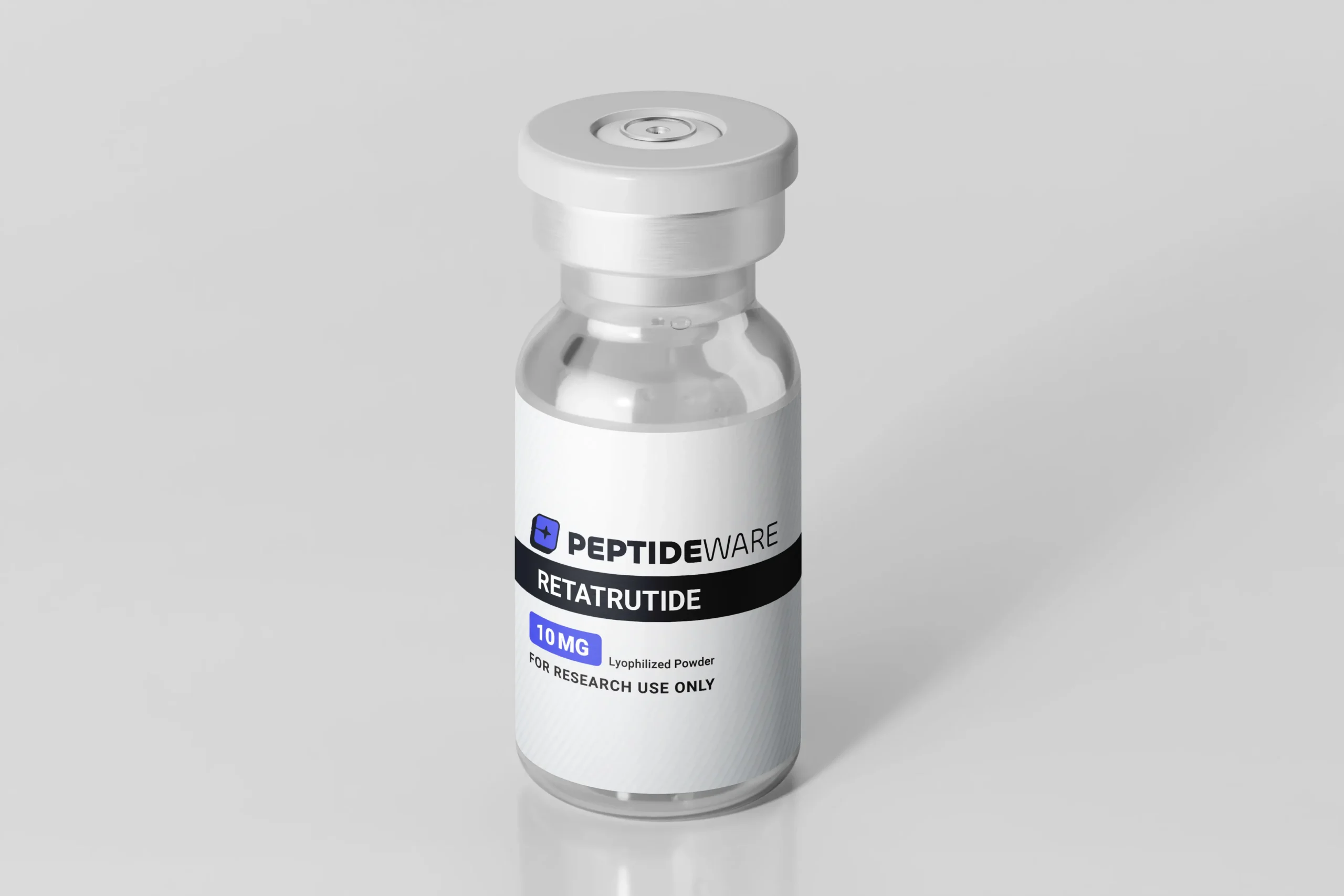


Description
The Triple-Agonist Advantage
Retatrutide is distinct from its predecessors due to its ability to bind and activate three key receptors involved in energy management. This “Triple G” mechanism is hypothesized to produce a synergistic effect unavailable in mono- or dual-agonist models:
-
GLP-1 (Glucagon-like Peptide-1): The foundation of incretin research, studied for its role in slowing gastric emptying and signaling satiety in the central nervous system.
-
GIP (Glucose-dependent Insulinotropic Polypeptide): Investigated for its ability to improve insulin sensitivity and modulate how the body processes lipids (fats).
-
GCGR (Glucagon Receptor): The Critical Differentiator. Unlike Tirzepatide, Retatrutide engages the Glucagon receptor. In research settings, GCGR activation is linked to increased energy expenditure and thermogenesis (heat production), essentially acting as a metabolic accelerator while the other two receptors manage glucose and appetite.
Research Comparative Analysis:
While Tirzepatide is a “Twin” agonist, Retatrutide introduces the third vector (Glucagon) to investigate a more aggressive model of metabolic regulation.
| Compound | Agonist Profile | Research Focus |
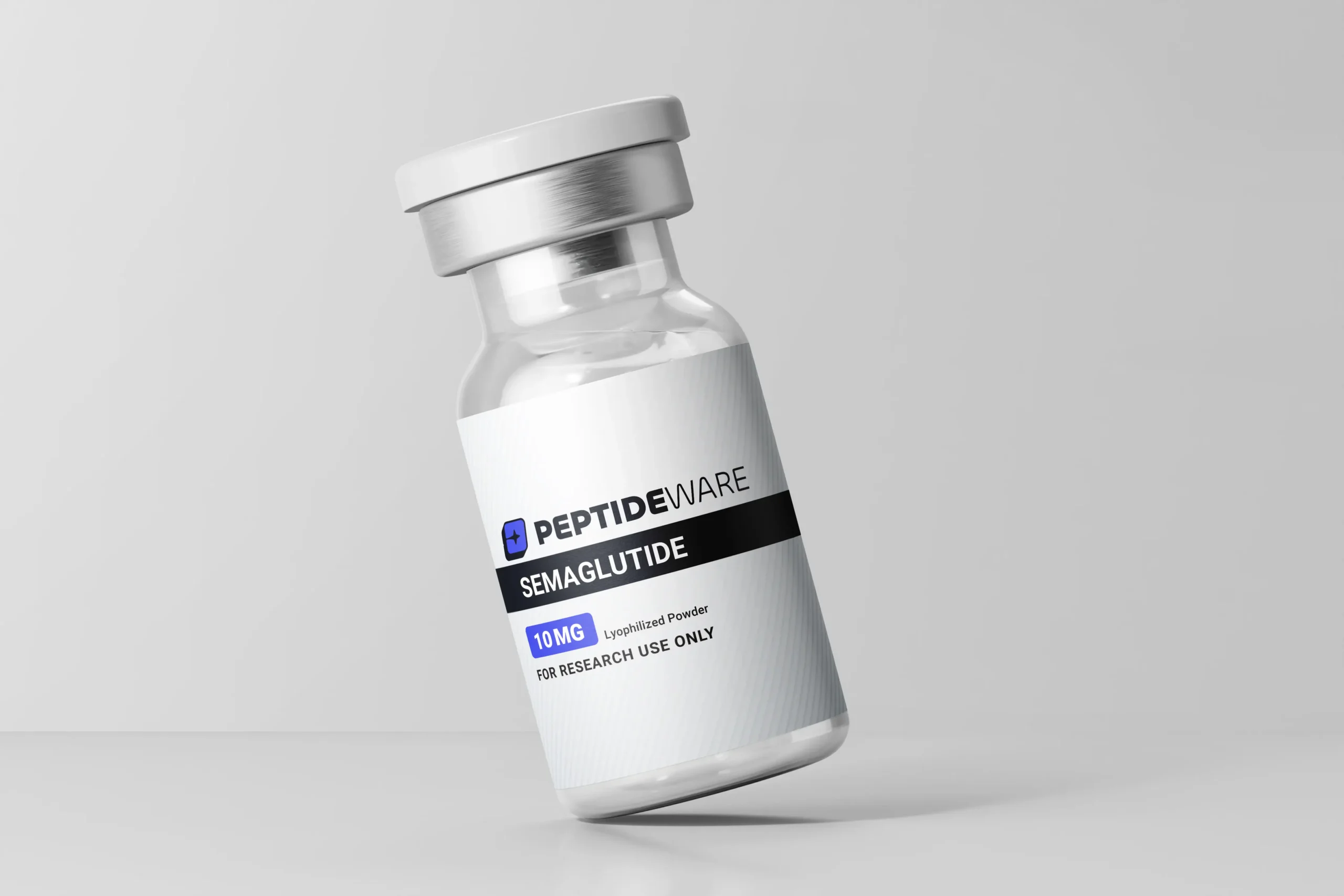
| Semaglutide | Mono-Agonist (GLP-1) | Appetite & Glucose Control |
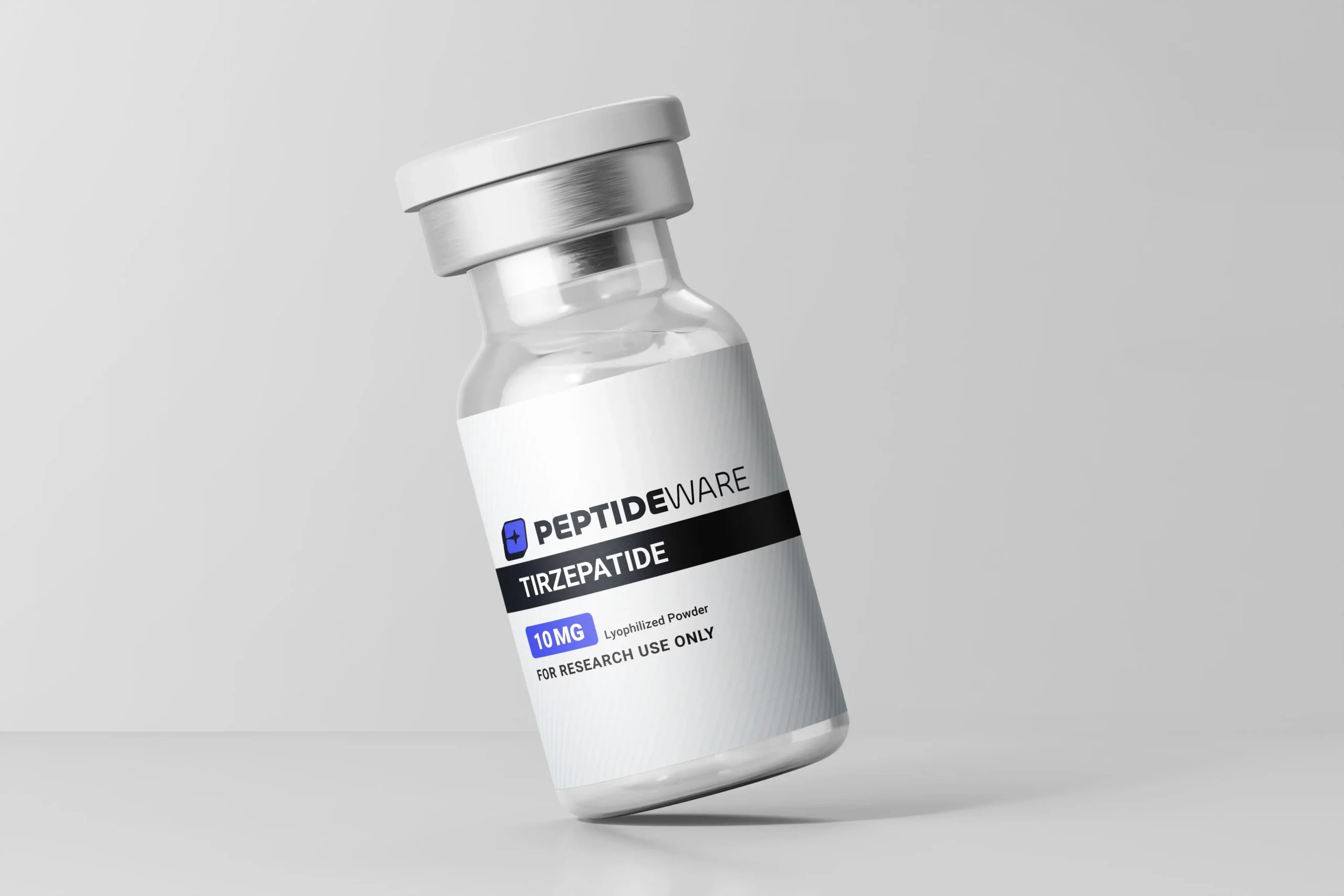
| Tirzepatide | Dual-Agonist (GLP-1 / GIP) | Appetite, Glucose, & Lipid Handling |
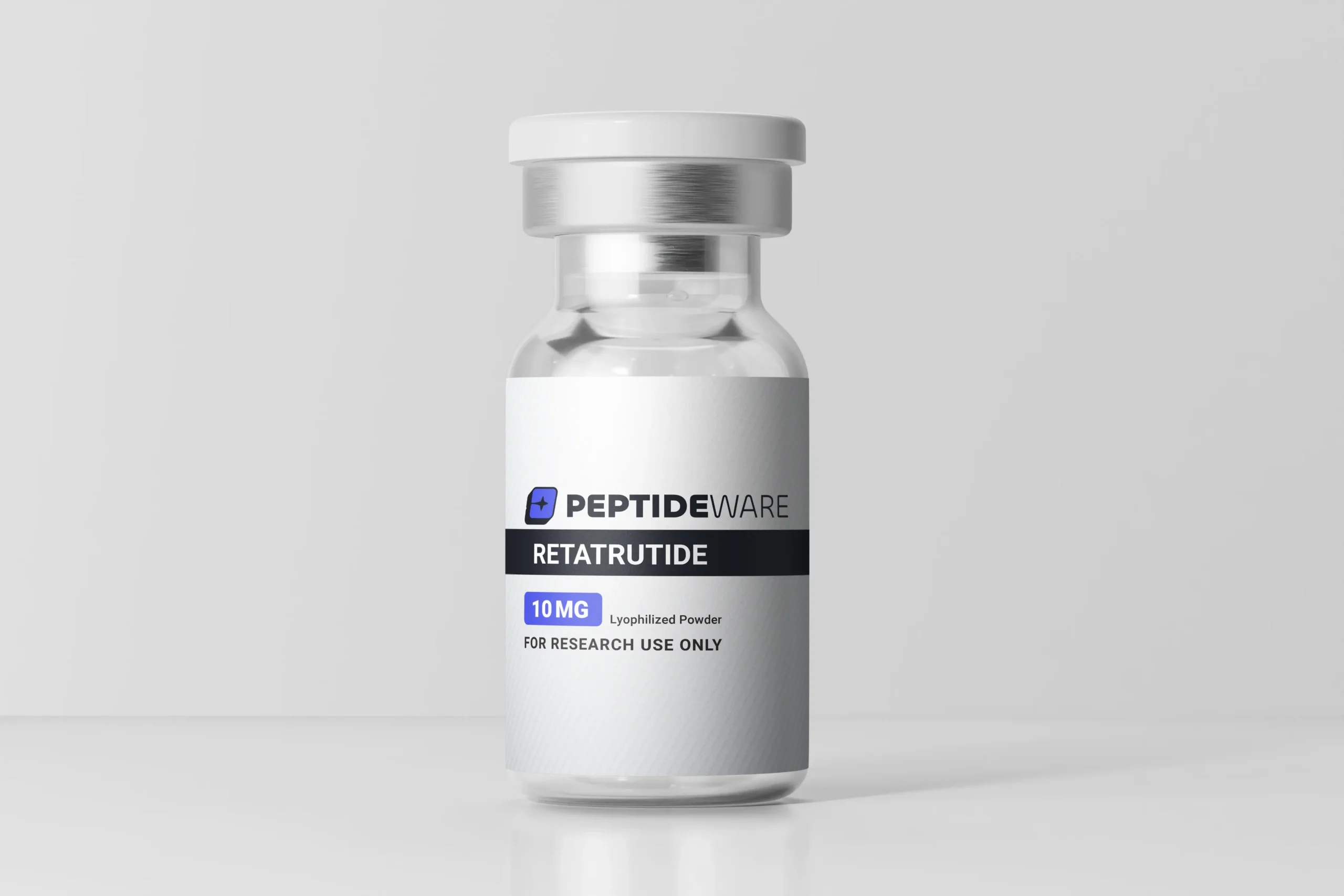
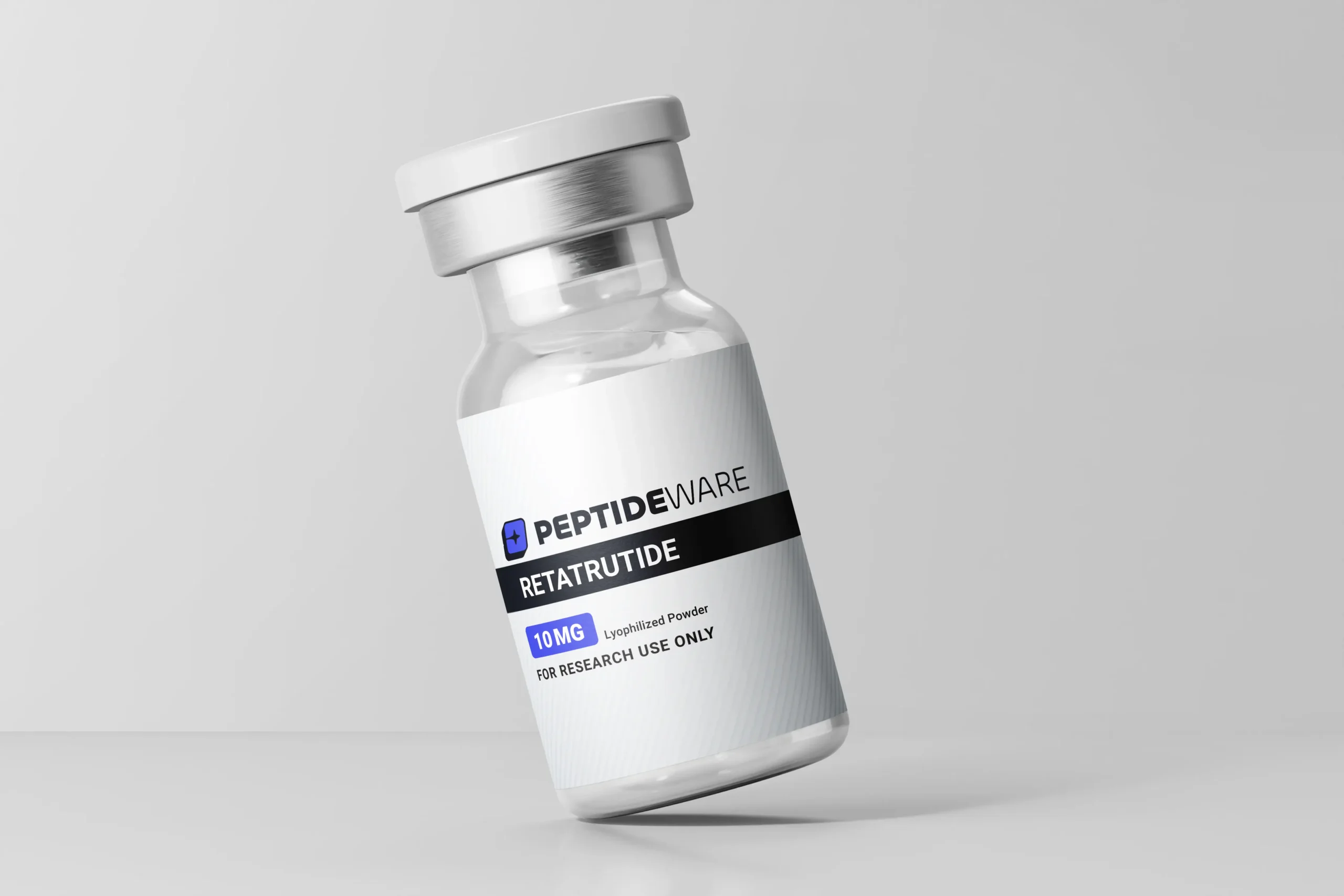
| Retatrutide | Triple-Agonist (GLP-1 / GIP / GCGR) | Maximal Energy Expenditure & Thermogenesis |
This research peptide undergoes rigorous quality control and stability testing to ensure maximum integrity for scientific applications. Each batch is manufactured under strict laboratory conditions and verified through independent laboratory analysis.
⚠️ FOR RESEARCH PURPOSES ONLY
This product is strictly for in-vitro laboratory research, analysis, and development. It is not intended for human consumption, injection, or therapeutic use. Retatrutide is not a drug, dietary supplement, or food. All statements regarding the physiological mechanisms of LY3437943 are based on preclinical animal and cell-culture studies and are provided for educational and informational purposes only.
Technical Specifications
-
Research Code: LY3437943
-
CAS Number: 2381089-83-2
-
Sequence: 39-amino acid peptide backbone (Modified)
-
Purity: ≥99% (HPLC Verified)
-
Form: Lyophilized White Powder
-
Solubility: Water Soluble (Requires Reconstitution)
Research Applications
-
Hepatic Health: Investigating the reduction of liver fat accumulation (steatosis) via GCGR activation.
-
Obesity Models: Studying the interplay between reduced caloric intake (GLP-1) and increased resting metabolic rate (GCGR).
-
Cardiometabolic Markers: Analyzing the compound’s impact on serum triglycerides and LDL cholesterol in animal models.