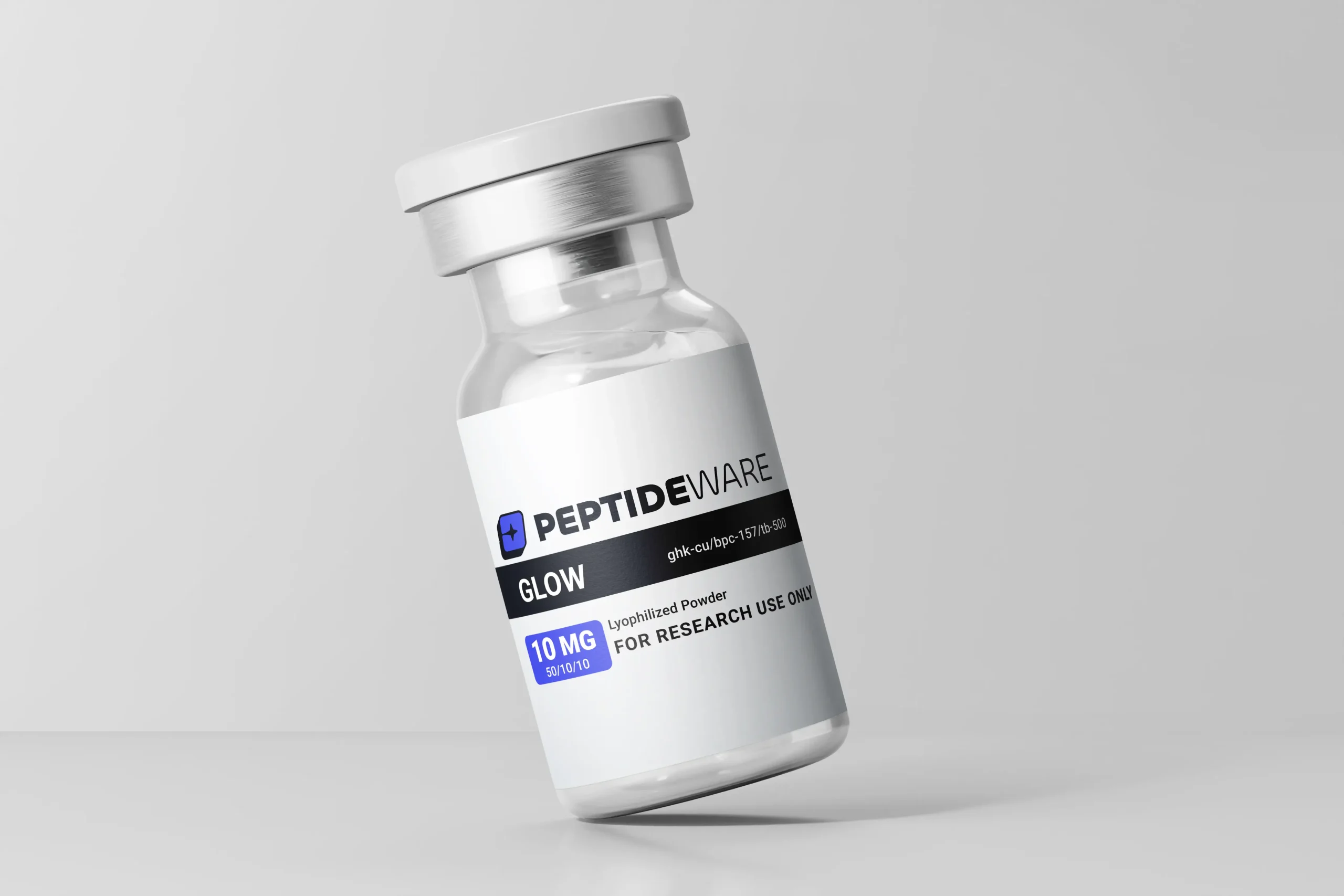
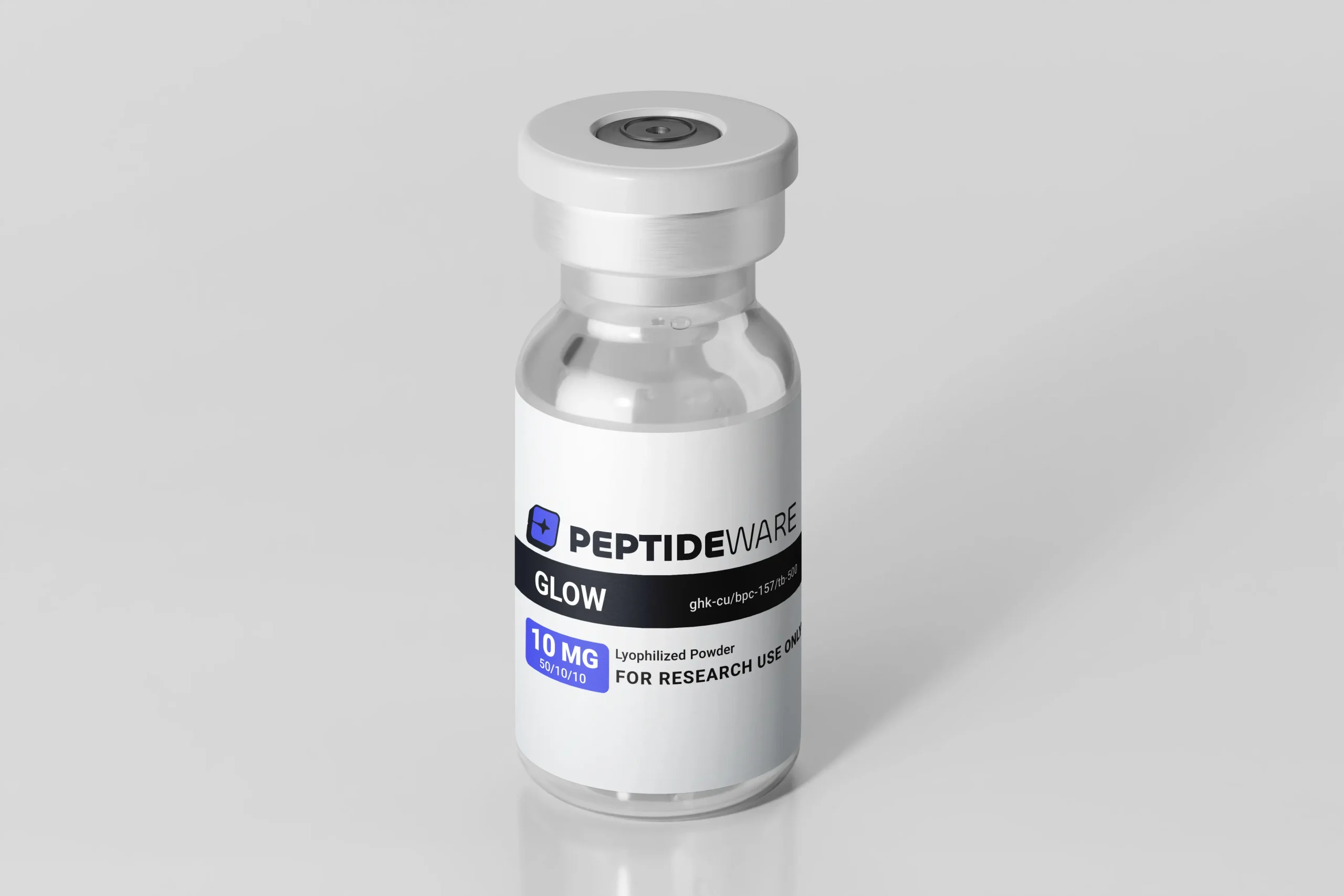


Description
Mechanism: The Regenerative Triad
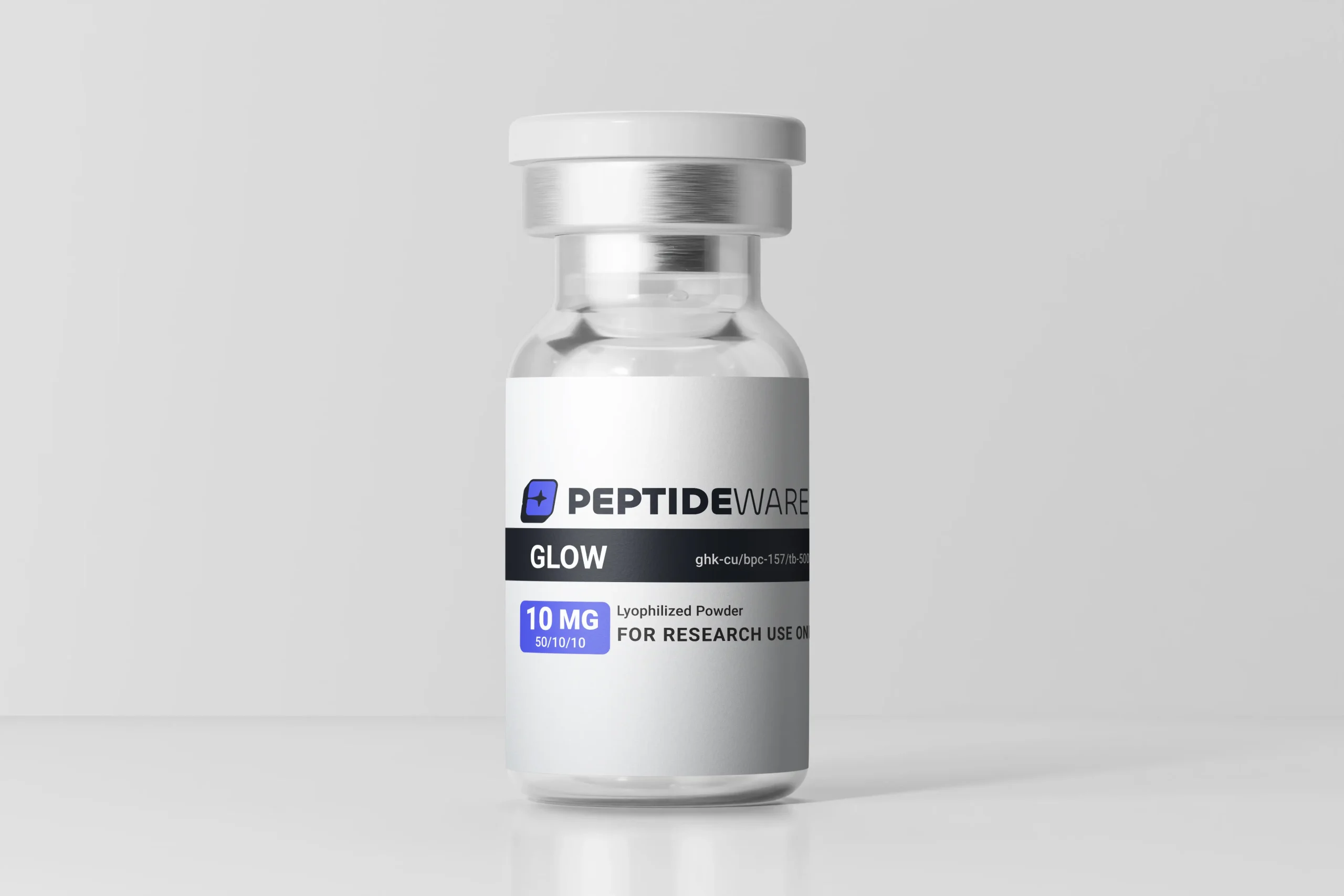
This blend is engineered to facilitate the “Entourage Effect,” where simultaneous administration targets multiple phases of the wound healing cascade:
-
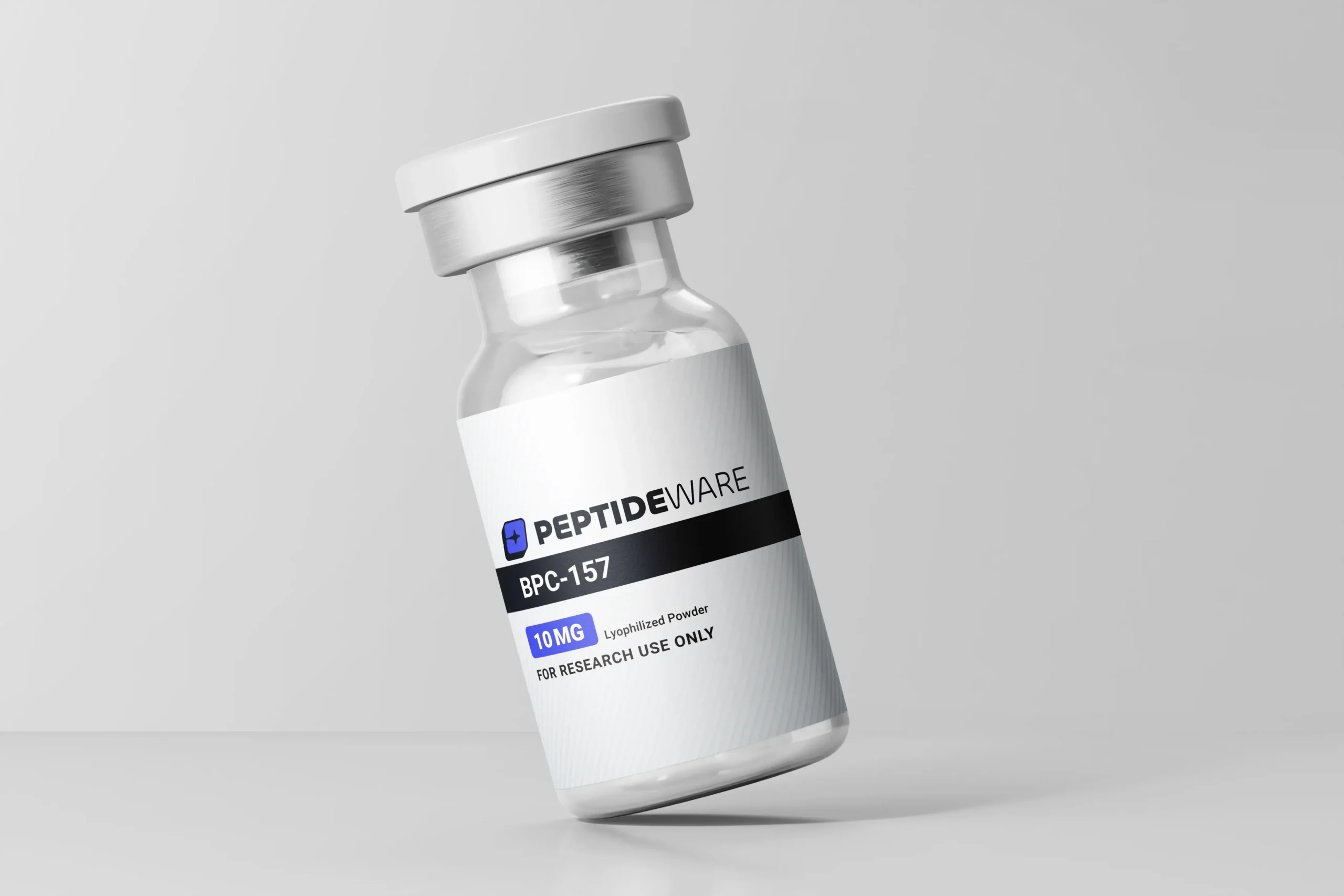
Vascular Support (BPC-157 10mg): Investigated for its interaction with the Nitric Oxide (NO) system and VEGF to promote angiogenesis (new blood vessel formation), ensuring nutrient delivery to the repair site.
-
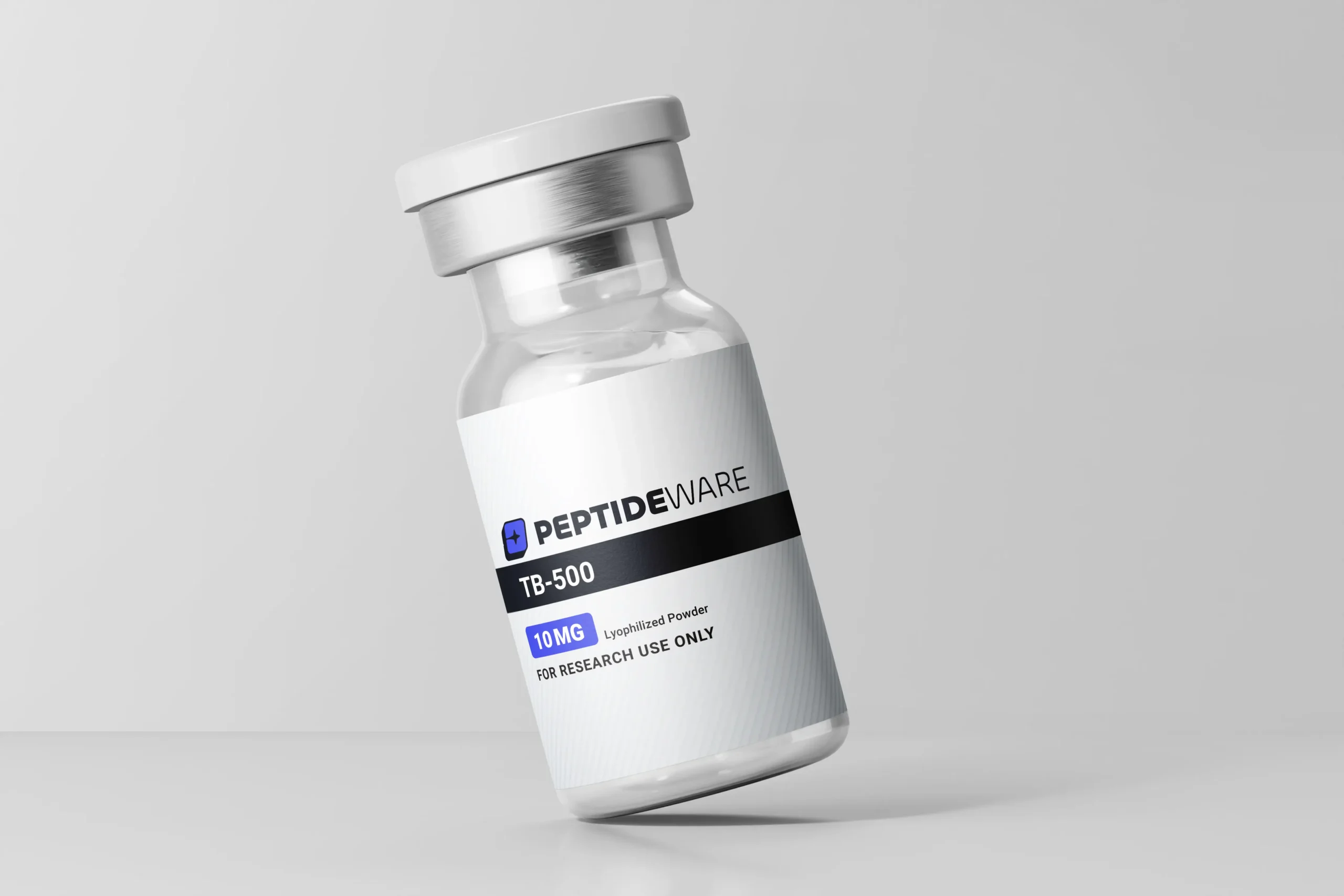
Cellular Mobilization (TB-500 10mg): Investigated for its role in actin sequestration, facilitating the rapid migration of keratinocytes and endothelial cells to the injury boundary.
-
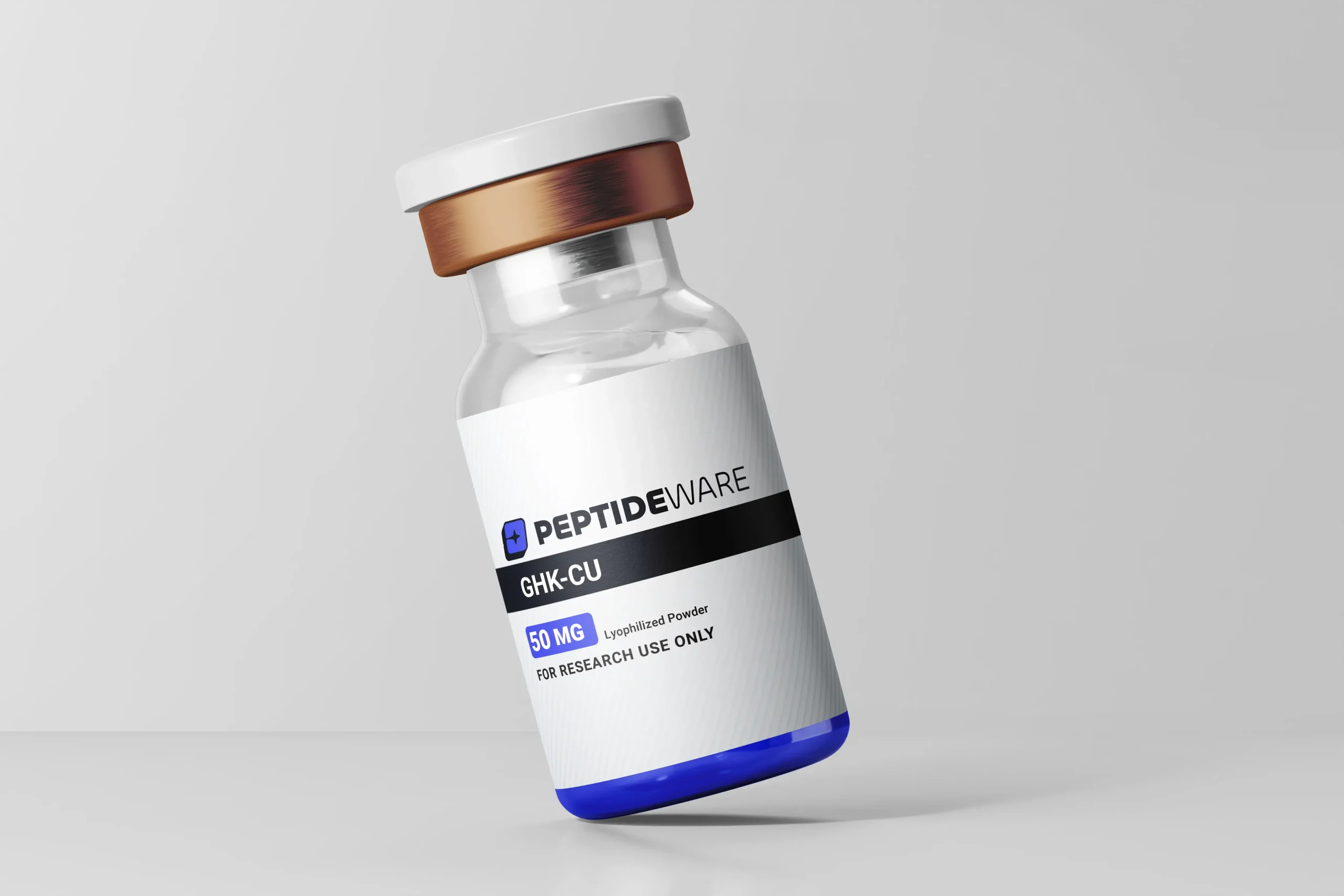
Structural Remodeling (GHK-Cu 50mg): Investigated for the upregulation of Collagen I & III and Elastin, providing the structural “scaffolding” required for tissue integrity and scar reduction.
This research peptide undergoes rigorous quality control and stability testing to ensure maximum integrity for scientific applications. Each batch is manufactured under strict laboratory conditions and verified through independent laboratory analysis.
⚠️ FOR RESEARCH PURPOSES ONLY
This product is strictly for in-vitro laboratory research, analysis, and development. It is not intended for human consumption, injection, cosmetic use, or therapeutic use. This blend is not a drug.
Technical Specifications
-
Total Concentration: 70mg per Vial
-
Composition:
-
GHK-Cu: 50mg (Copper Tripeptide-1)
-
BPC-157: 10mg (Pentadecapeptide)
-
TB-500: 10mg (Thymosin Beta-4)
-
-
Appearance: Light to Deep Blue Lyophilized Powder
-
Purity: ≥99% (HPLC Verified for each individual component)
-
Solubility Note: Due to the high concentration (70mg total), researchers are advised to use 3mL of Bacteriostatic Water to ensure complete dissolution. Gentle swirling is required.
Storage & Handling
Peptides require careful storage to maintain their integrity and research effectiveness. Lyophilized peptides should be stored in a cold, dry, dark environment to prevent degradation. For short-term use within 4 weeks, storage at 4°C is sufficient, while long-term storage requires temperatures below -20°C or -80°C for extended periods up to 2 years. Always protect peptides from light exposure and avoid repeated freeze-thaw cycles, which can compromise structural integrity and research results.