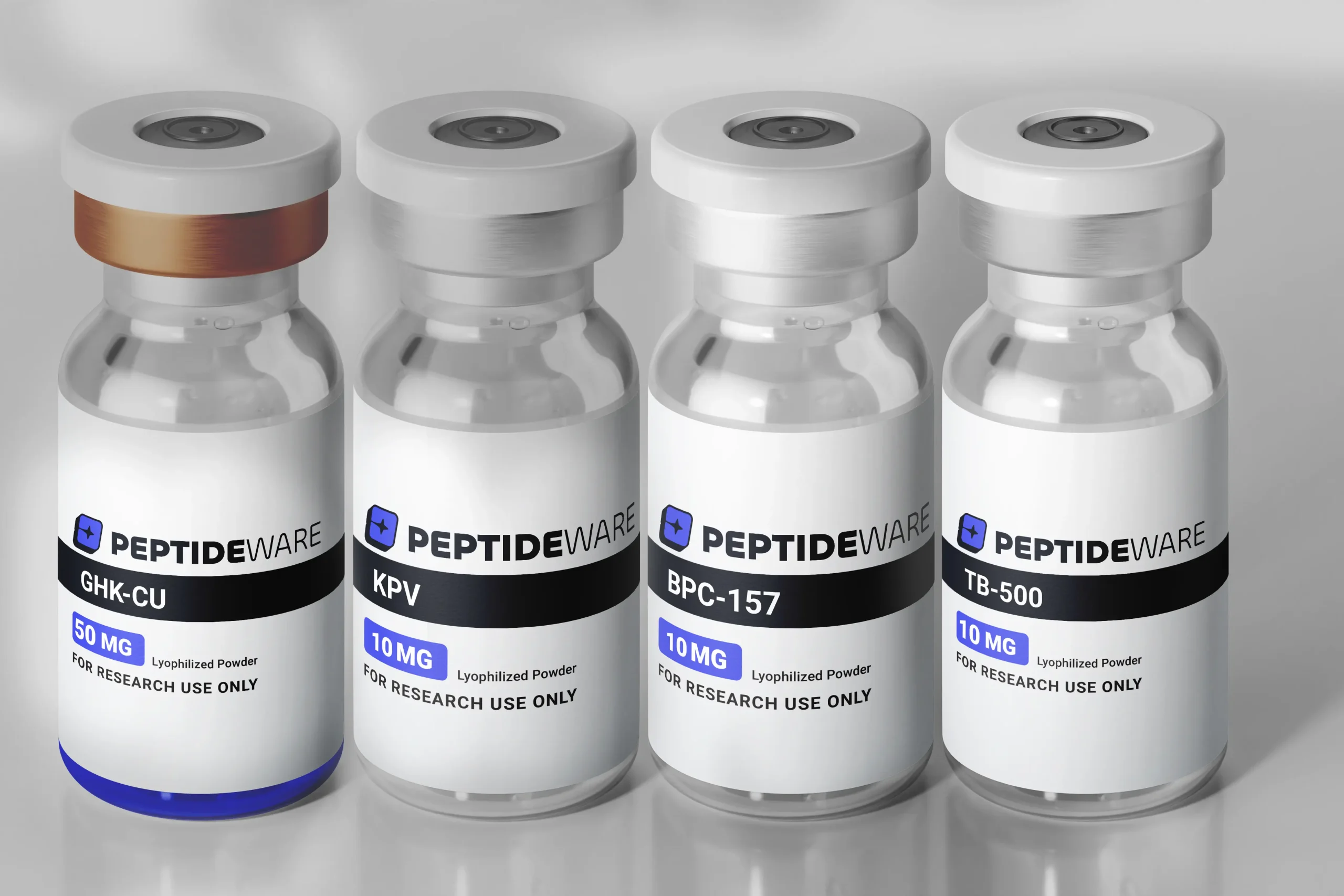


Description
Mechanism: The Regenerative Tetrad
This protocol is engineered to target the four critical pillars of the wound healing cascade simultaneously:
-
Vascular Support (BPC-157): Investigated for its ability to upregulate VEGFR2 and promote angiogenesis, ensuring adequate blood flow and nutrient delivery to the repair site.
-
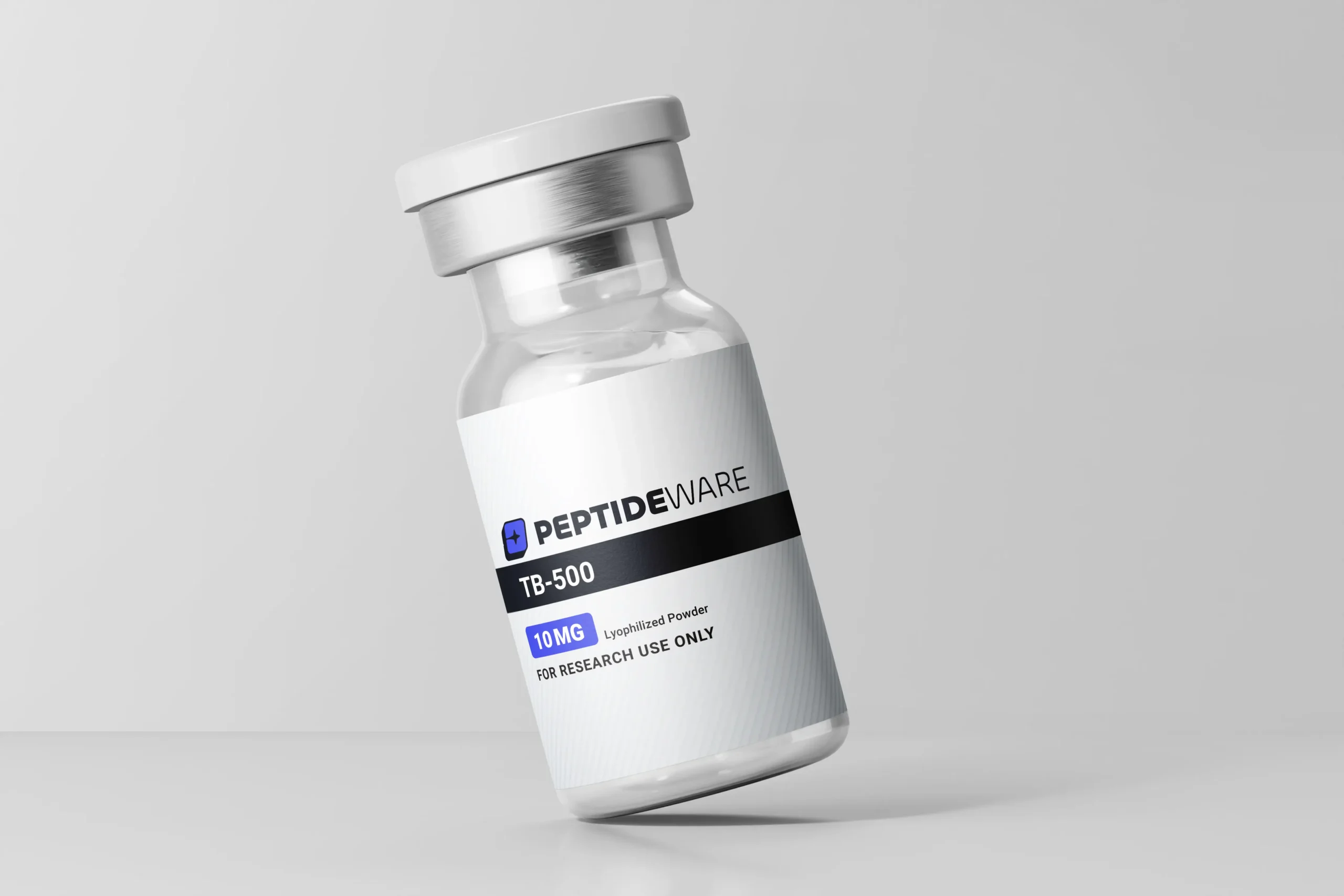
Cellular Mobilization (TB-500): Investigated for actin sequestration, facilitating the rapid migration of keratinocytes and endothelial cells across the wound bed.
-
Structural Integrity (GHK-Cu): Investigated for stimulating the synthesis of Collagen I/III and Elastin, providing the necessary tensile strength and reducing scar tissue formation.
-
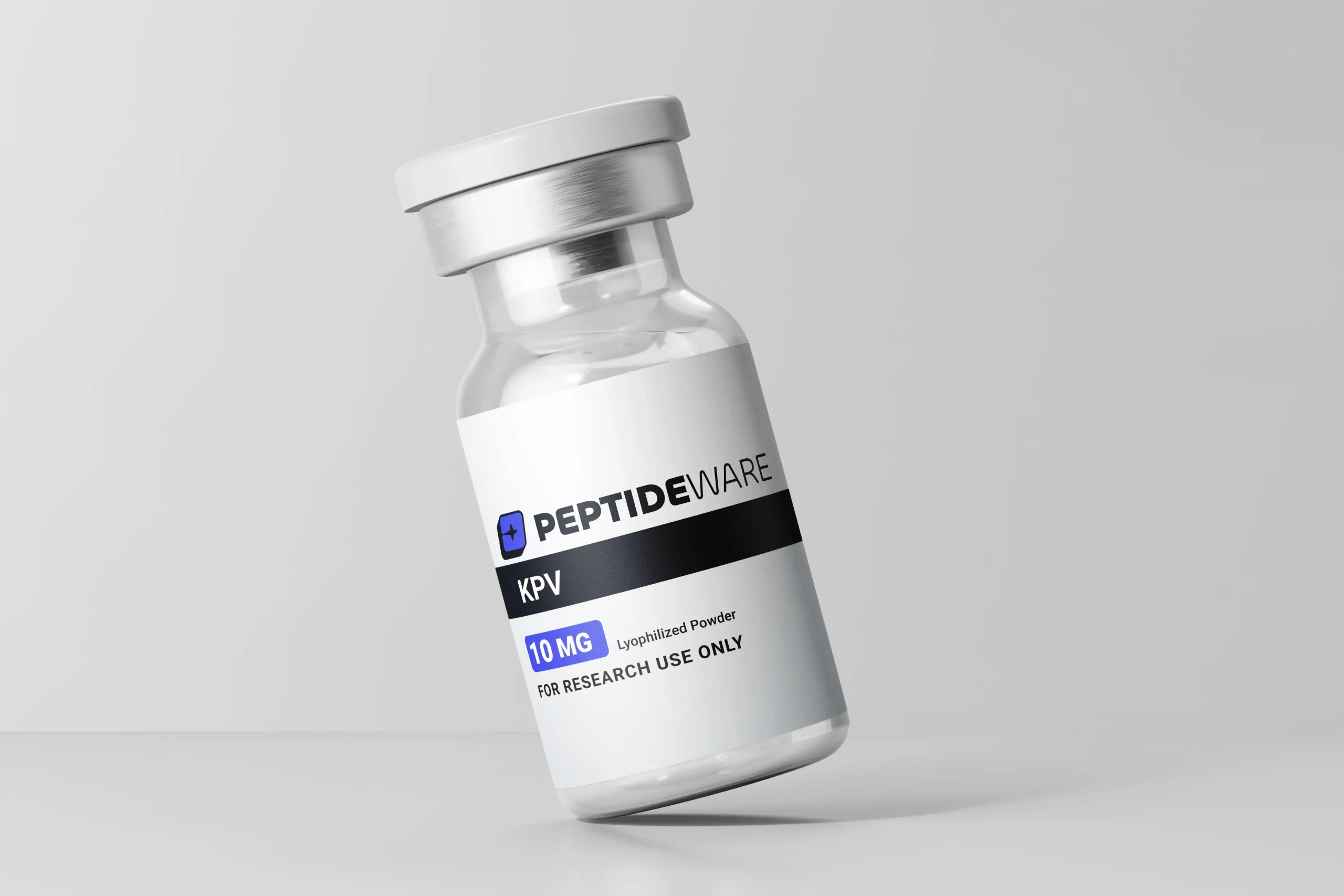
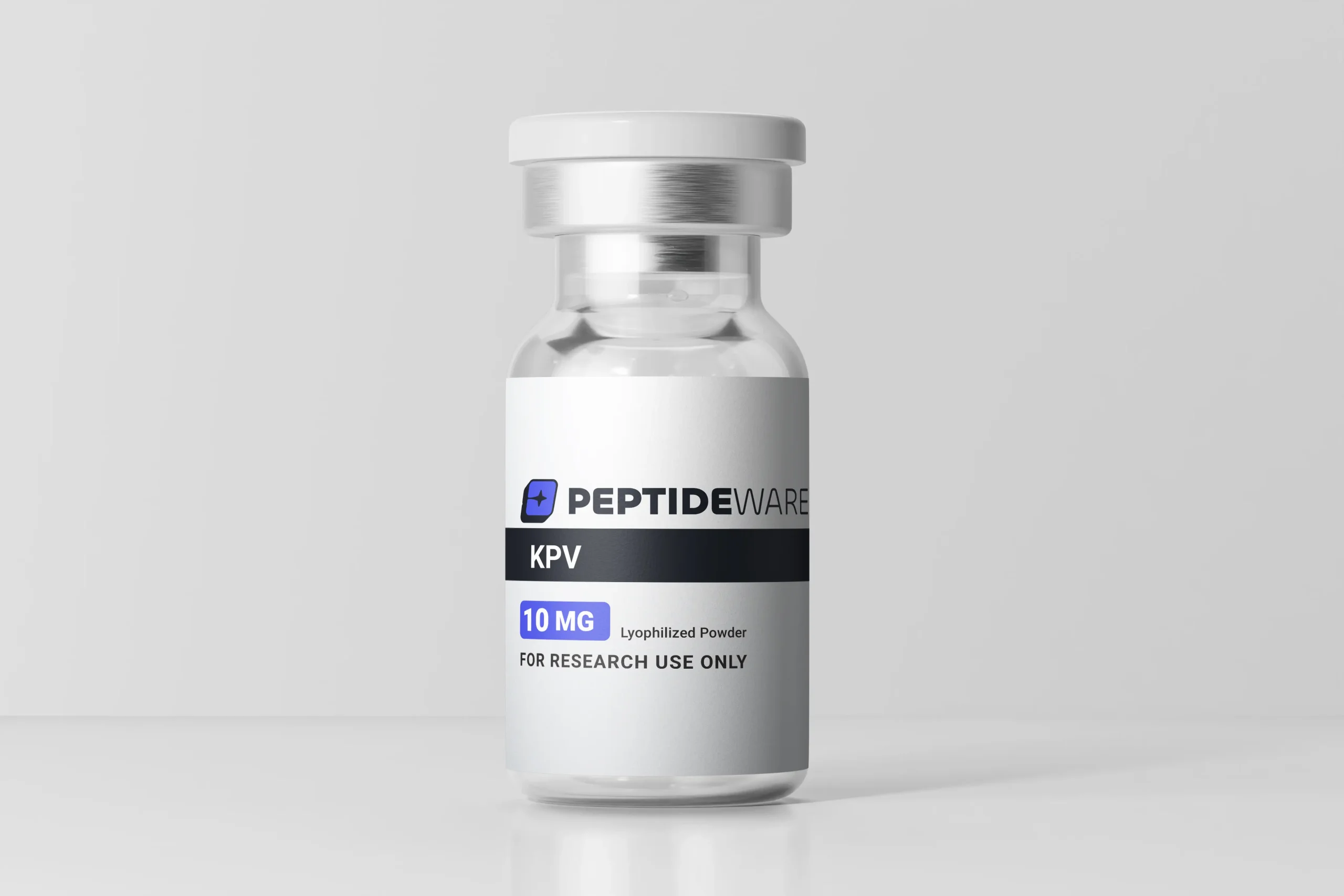
Immune Modulation (KPV): The Critical Addition. KPV inhibits the NF-κB pathway, dampening excessive inflammation and antimicrobial activity. This allows the regenerative phase to proceed without the hindrance of a “cytokine storm” or chronic inflammation.
Bundle Contents (4 Vials Total)
This kit contains the following pharmaceutical-grade, lyophilized peptides:
-
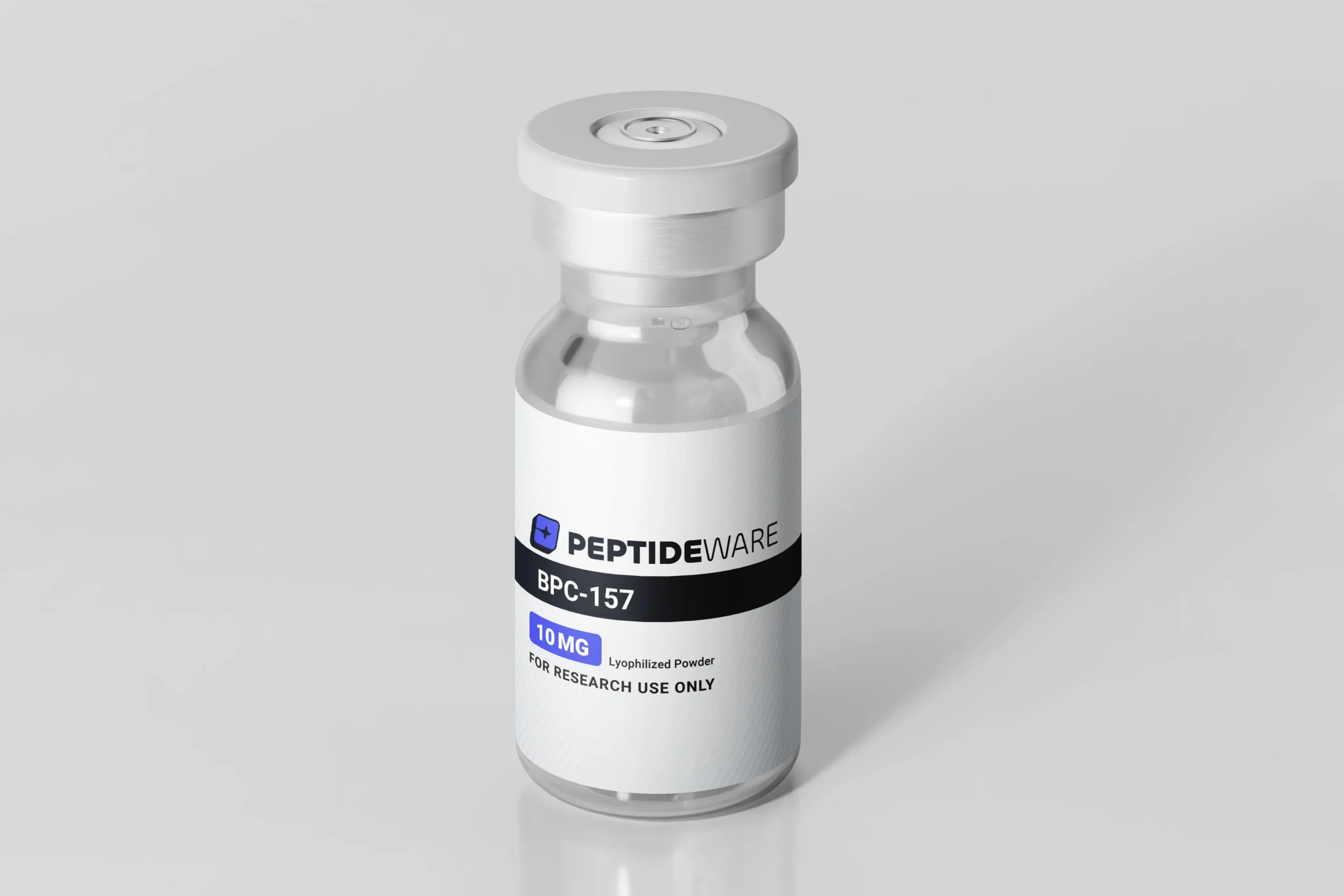
1x BPC-157 (10mg): Synthetic Pentadecapeptide (Arg-Pro-Pro-Gly-Phe-Ser-Pro-Phe-Arg).
-
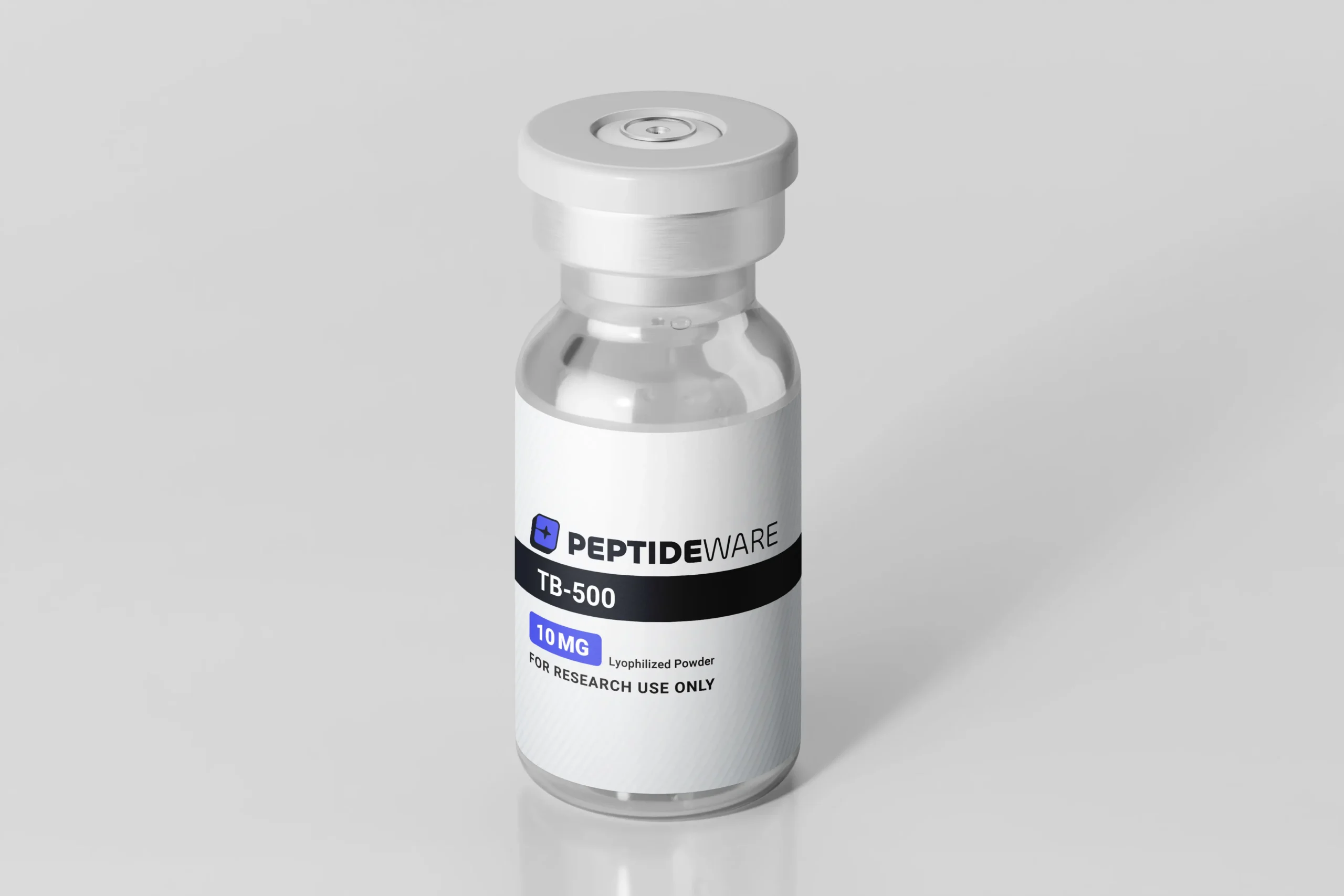
1x TB-500 (10mg): Synthetic Thymosin Beta-4 (Full 43-Amino Acid Sequence).
-
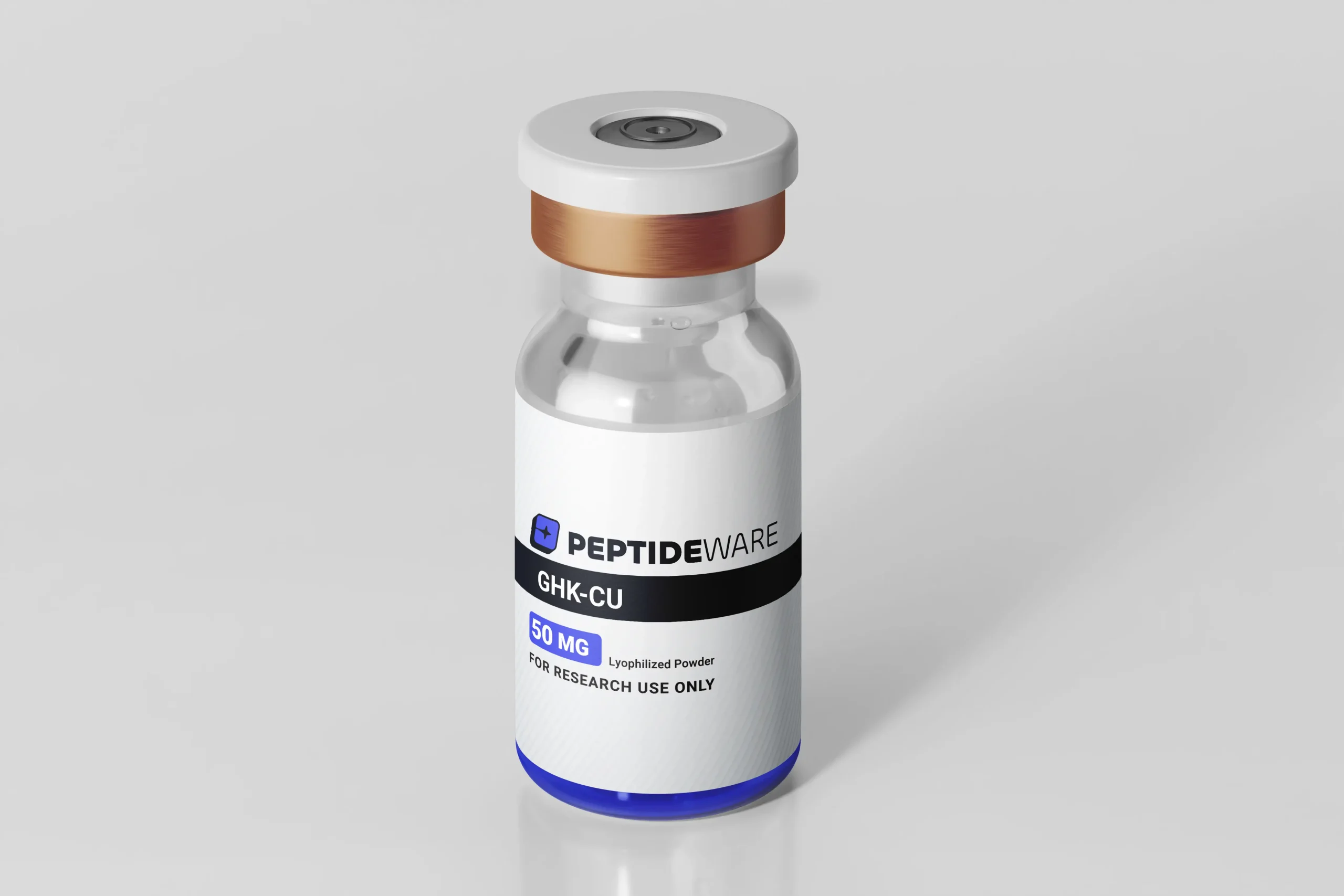
1x GHK-Cu (50mg): Copper Tripeptide-1 (Deep Blue Crystal).
-
1x KPV (10mg): $\alpha$-MSH C-terminal Tripeptide (Lys-Pro-Val).
Total Active Content: 80mg
This research peptide undergoes rigorous quality control and stability testing to ensure maximum integrity for scientific applications. Each batch is manufactured under strict laboratory conditions and verified through independent laboratory analysis.
⚠️ FOR RESEARCH PURPOSES ONLY
This product is strictly for in-vitro laboratory research, analysis, and development. It is not intended for human consumption, injection, cosmetic use, or therapeutic use. These are freeze-dried research chemicals, not drugs.
Research Applications
The KLOW Bundle is the preferred reagent kit for high-level studies involving:
-
Complicated Wound Models: Researching healing in diabetic or ischemic tissues where inflammation is chronically elevated.
-
Microbial Defense: Investigating the dual action of tissue repair alongside KPV’s antimicrobial properties against S. aureus and C. albicans.
-
Sequential Administration: The separate vials allow researchers to stagger administration (e.g., introducing KPV first to lower inflammation before introducing GHK-Cu for remodeling).
Storage & Handling
Peptides require careful storage to maintain their integrity and research effectiveness. Lyophilized peptides should be stored in a cold, dry, dark environment to prevent degradation. For short-term use within 4 weeks, storage at 4°C is sufficient, while long-term storage requires temperatures below -20°C or -80°C for extended periods up to 2 years. Always protect peptides from light exposure and avoid repeated freeze-thaw cycles, which can compromise structural integrity and research results.